Top Dyeing
Top dyeing is a yarn-dyed method in which tops, fiber bundles prepared before spinning, are dyed and then different-colored fibers are blended and spun into yarn.
Contents6 sections
Definition and Overview
Top dyeing is a method of dyeing mainly short fibers such as wool at the top stage before they are spun into yarn. Because multiple dyed colors of fibers are mixed and spun, color reaches deep into the yarn, creating depth in the way the colors blend.
Top refers to a fiber bundle in which the fibers have been aligned almost parallel in the wool combing process. Top dyeing is included in yarn dyed, but the dyeing stage differs from yarn dyeing, which dyes yarn first, and from piece dyed, which dyes textile after weaving or knitting.
Texture and Appearance Characteristics
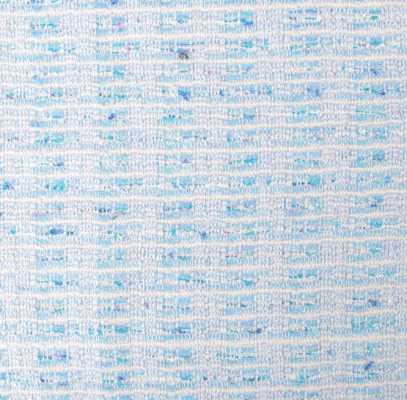
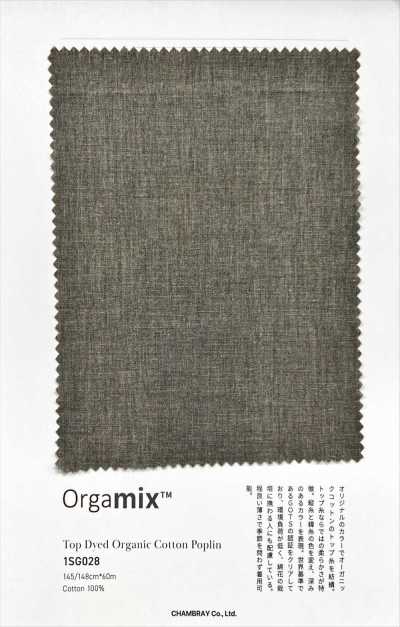
By mixing dyed fibers of different colors, this method easily produces a deep melange-like appearance that looks solid at first glance but reveals mixed color specks when seen up close. Depending on the ratio of blended colors and the color combination, it can express everything from heathered looks to complex shades.
The final texture changes greatly depending on the fiber type, yarn count, twist, weave or knit structure, and finishing such as fulling or brushing. Therefore, the fact that something is top dyed does not uniformly determine softness, warmth, or resistance to shrinkage.
Main Applications
It is often used for wool-based combed and carded materials, and is used for jackets, suits, coats, knits, pants, and skirts. It is seen in fabrics for autumn and winter that aim for deeper color, but depending on the fabric thickness and structure, it is also used in year-round collections.
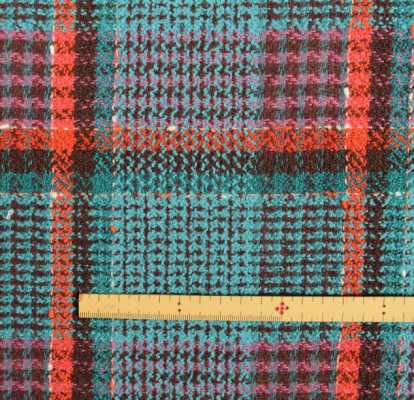
It is especially compatible with fabrics that take advantage of the blended look of fibers, such as tweed-like or flannel-like materials. However, since top dyeing is the name of a dyeing process rather than a weave or fabric name, it is used for materials with various structures, such as plain weave and twill weave.
How to Choose and Handling Notes
When planning, check the appearance created by blending colors not only with swatches but, if possible, also with rolls of fabric and sewing samples. Since the appearance of color may change depending on the type of lighting, it is important to match the outer fabric and accessories under a light source close to actual use.
Shrinkage and dimensional changes cannot be determined by whether something is top dyed or not; they depend on fiber composition, spinning method, finishing process, and washing method. Before cutting and sewing, perform relaxing and test sewing, then check washing instructions, shrinkage rate, and colorfastness, and consider compatibility with sewing thread and interfacing.
- When combining dark and light colors, check the risk of color transfer from friction or washing.
- Because the blended appearance may differ by lot, pay attention to lot control when additional production is expected.
Differences from Similar Terms
Yarn dyed is a broad term for methods in which yarn or fibers are dyed before weaving or knitting. Top dyeing is one type of this and is characterized by dyeing the fibers at the top stage. Piece dyed, on the other hand, is a method of dyeing after weaving or knitting white fabric or similar material.
Melange yarn refers to yarn with a color tone created by blending fibers or yarns of different colors. Top dyeing is one of the representative methods for making melange yarn, but the visual term melange yarn and the process term top dyeing are not synonymous.
Frequently Asked Questions
What is the difference between top dyeing and yarn dyed?
Yarn dyed is a general term for methods of dyeing fibers or yarn before weaving or knitting. Top dyeing is a type of yarn dyed, and it dyes the top before spinning. Yarn dyeing is a method of dyeing yarn after spinning, so the stage of the dyeing process differs.
Can top-dyed fabric be washed at home?
Whether it can be washed or not depends not on top dyeing but on the main fiber, weave or knit structure, finishing process, and product specifications. In particular, when wool is included, there is a risk of shrinkage or felting, so be sure to follow the product washing instructions and test in advance.
Is top dyeing the same as melange yarn?
They do not mean the same thing. Melange yarn is the name for yarn with a blended appearance of multiple colors, while top dyeing is the process of dyeing fibers before spinning. If fibers dyed separately by top dyeing are blended and spun, they can create a color tone like melange yarn.