Home Spun
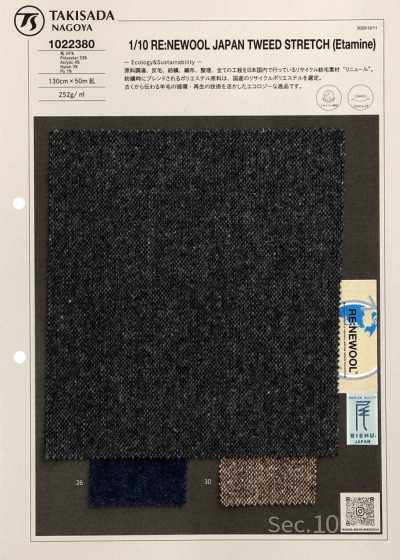
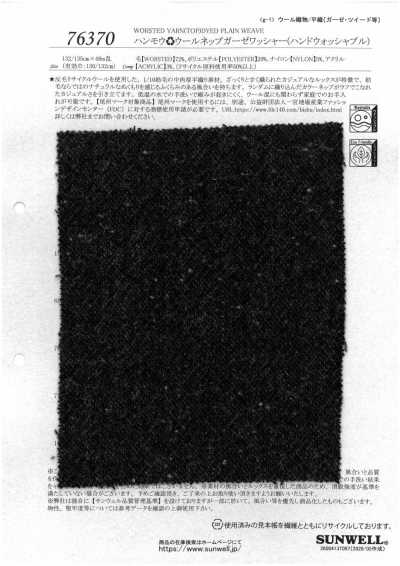
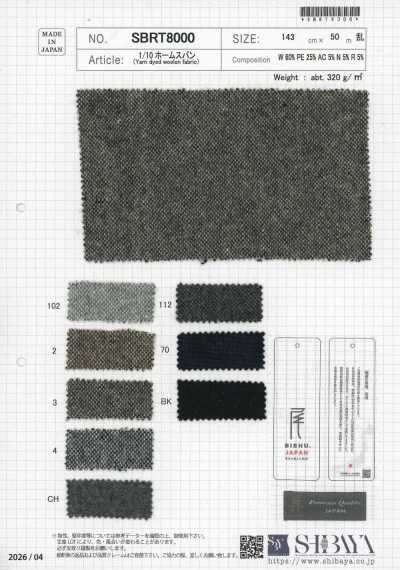
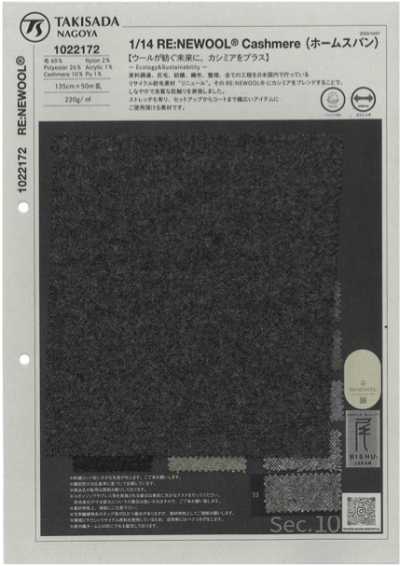
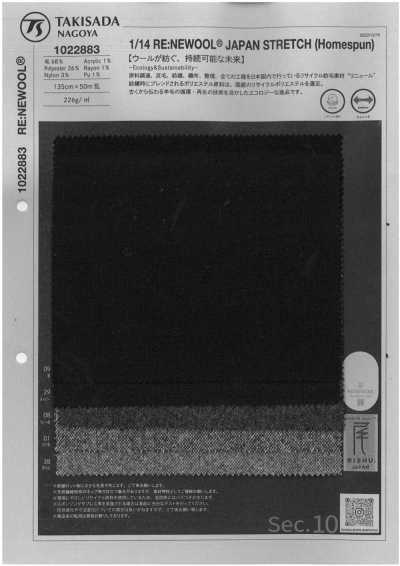
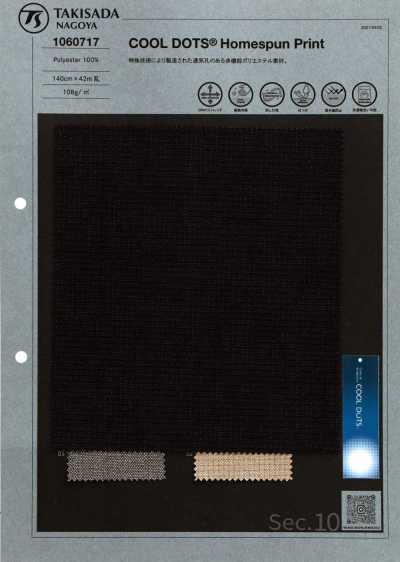
Home spun refers to a mainly wool woven fabric whose origin lies in the rustic texture of hand-spun and hand-woven cloth, and is characterized by the look created by unevenly thick threads and neps.
Contents6 sections
Definition and Overview
Home spun originally referred to cloth woven using yarn spun at home. In modern apparel fabrics, it is treated as a mainly wool woven fabric that expresses the uneven yarn use and warm appearance associated with handcraft.
Weave structures such as plain weave and twill, yarn thickness, and the combination of colored yarns differ from fabric to fabric. For that reason, home spun is not a name for a weave structure, but a fabric term based on the yarn, appearance, and texture.
Characteristics
Uneven yarn thickness, neps, and mottled color tones create a natural sense of depth and surface irregularity. Compared with uniform, smooth worsted suiting fabrics, it tends to have a rustic, crafted look.
In many cases, wool yarns that trap air easily are used, so fullness and warmth retention can be expected. On the other hand, thickness, weight, stiffness, and itchiness vary greatly depending on the fiber, yarn, and finish, so checking the actual fabric is necessary.
Main Applications
It is used for clothing centered on fall and winter items such as jackets, coats, vests, skirts, and pants. It is suitable for items that make use of the fabric’s appearance and show material texture even in simple shapes.
Heavier, firmer product numbers are used for outerwear and jackets, while relatively lighter product numbers are also used for skirts and dresses. Check fabric weight, thickness, and drape, and consider the silhouette and ease of movement required for the intended application.
Selection and Handling Notes
When selecting, check not only the fiber blend ratio but also fabric weight, thickness, structure, amount of neps, surface fuzz, and stretchiness. Since expressions that look like neps or weaving irregularities may still fall within the design range, it is important to share an approved sample during fabric inspection.
Items made mainly from wool may shrink, felt, or pill due to water washing and friction. Follow the care label, and before mass production confirm shrinkage rate, appearance changes, and seam condition through fabric testing and product wash testing.
The uneven surface can make seam allowance thickness more noticeable, and pressing may cause fading. Finish seam allowances, use a pressing cloth, and check compatibility with interlining, then set sewing specifications according to the fabric’s thickness and tendency to fray.
- Before cutting, confirm the grain line and how the pattern and colored yarns appear.
- For fabrics with more fuzz or neps, check seam puckering and sewing slippage with a sample run.
- Use a pressing cloth when ironing, and be careful of surface changes caused by strong pressure or excessive steam.
Differences from Similar Terms
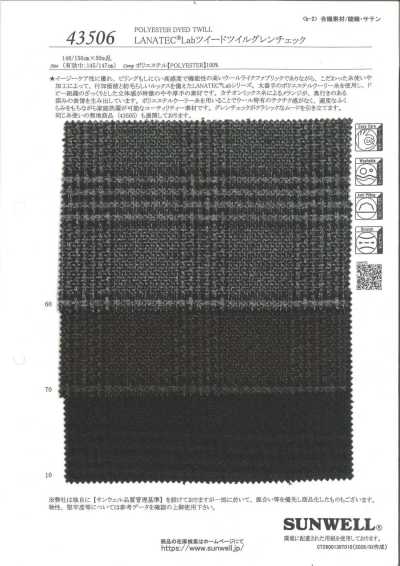
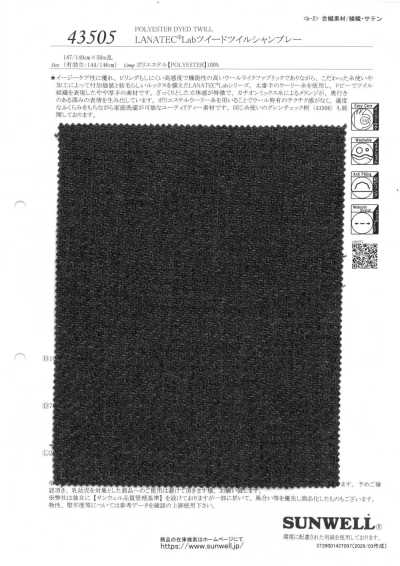
Tweed is generally used as a broad term for rough, textured wool woven fabrics made with thick spun yarns. Home spun may be treated as a type of tweed or as a fabric with a similar texture, but it emphasizes the rustic yarn expression derived from hand-spun, hand-woven origins.
Flannel is a fabric whose surface is lightly brushed to create a soft feel. Home spun may also have fuzz, but its core characteristic is not brushing; it is the expression created by uneven yarn, neps, and a mottled look.
Frequently Asked Questions
Are home spun and tweed the same?
No, they are not completely synonymous. Tweed is a broad term for expressive wool woven fabrics, while home spun is a fabric that emphasizes the uneven yarn use and rustic texture derived from hand-spun, hand-woven origins. Since they are sometimes treated similarly in the market, check the composition, weave, and surface texture.
Can home spun be washed at home?
Home spun made mainly from wool may shrink, felt, or become fuzzy with home washing. Whether home washing is possible depends on the fiber blend and finishing process, so be sure to check the care label. Before productization, conduct washing tests to confirm shrinkage rate and appearance changes.