Compact Yarn
Compact yarn is a spun yarn made by converging the fiber bundle during the spinning process before twist is applied, reducing surface fuzz on the yarn.
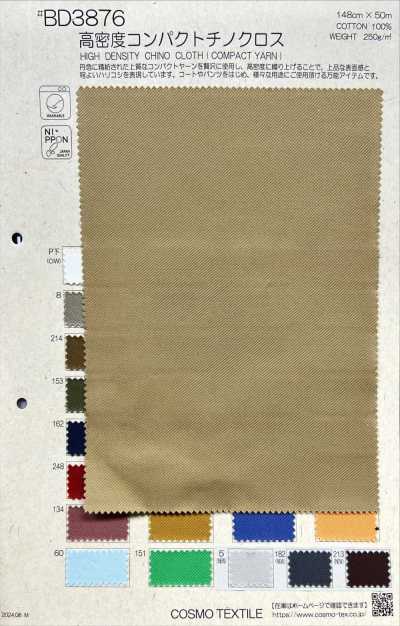
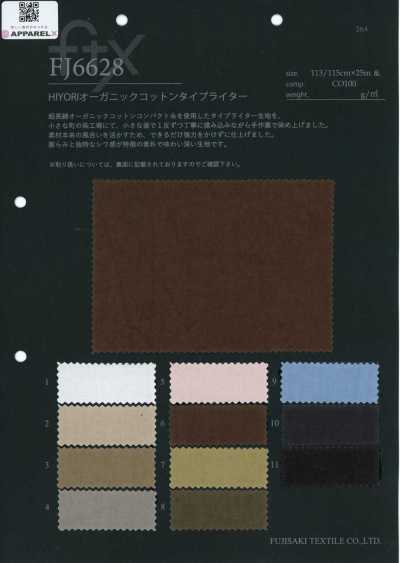
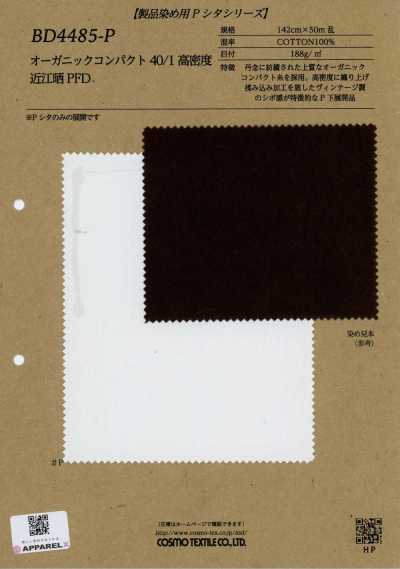
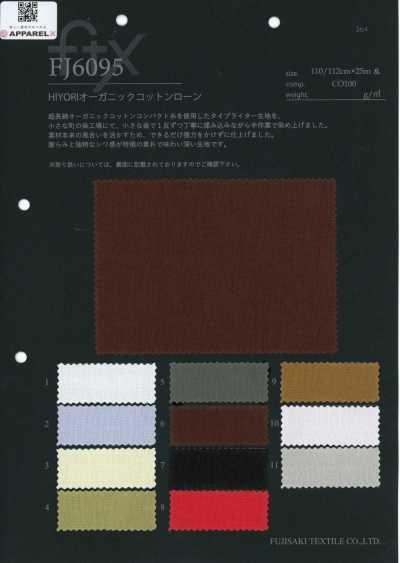
Contents6 sections
Definition and Overview
Compact yarn is a yarn made by converging the fiber bundle with air suction or similar means in the spinning process for spinning mainly short-staple fibers, before twist is applied. Because the fiber ends are less likely to protrude from the outside of the yarn, it has the characteristic of reducing fuzz more easily than ordinary spun yarn.
Compact yarn is not a name that indicates the type of fiber or the structure of woven or knitted fabric; it is a yarn name derived from the spinning method. Depending on the raw material used, such as cotton, the yarn count, twist, density, and finishing, the final fabric performance and texture will vary.
Texture and Appearance Characteristics
Because there is less fuzz, the surface of the textile tends to be relatively smooth and have a clear, well-defined appearance. Light reflection is less likely to become uneven, and depending on the material and finish, a moderate sheen and clear color expression may be felt.
Because fibers are easier to hold together in the yarn, it is also used to reduce fuzz shedding and the whitish appearance caused by fuzz. However, it does not uniformly guarantee softness, firmness, water absorbency, durability, or resistance to pilling.
Main Applications
Taking advantage of its clean surface, it is used for shirts, blouses, chinos, pants, light apparel, and cut-and-sew items. In high-density woven fabrics, it is suitable for items that call for a neat appearance.
The appropriate season varies depending on the material composition and fabric design. Thin fabrics with breathability are used for spring and summer apparel, while those with higher density and fabric weight are used for year-round shirting materials and bottom-weight fabrics.
Selection and Handling Notes
When selecting, do not judge only by the compact yarn label; check the raw material, yarn count, single yarn or ply yarn, weave or knit structure, fabric weight, density, and finishing process. At the planning stage, in addition to the desired surface feel, confirm dimensional change after washing, color difference, and sewing tests by fabric unit.
Shrinkage and washing method are mainly affected by fiber type, dyeing and finishing, and product specifications. Compact yarn alone does not mean it is less likely to shrink or more resistant to washing. It is important to follow the product care label and carry out washing tests before mass production.
Fabrics with a smooth surface may show seam puckering and needle holes more clearly. Align the grain, choose a sewing machine needle and thread suitable for the material, and test-sew seam allowance and thread tension in advance to check for seam shrinkage and waviness.
Differences from Similar Terms
Combed yarn is spun yarn that has undergone the combing process to remove short fibers and impurities. Compact yarn, on the other hand, is a name that focuses on the method of converging the fiber bundle during spinning. Since there are yarns that combine both processes, they are not treated as synonyms.
Carded yarn refers to yarn spun mainly after the carding process. Compact yarn may be made from carded yarn or combed yarn as the raw material, and carded yarn and compact yarn are classified by different standards.
Frequently Asked Questions
Is compact yarn used only for cotton?
Compact yarn is a term related to the spinning method and does not refer only to cotton. However, in practice, it is often seen in cotton and cotton-blend woven fabrics and knits. Check the actual material in the blend ratio or specification sheet.
Does fabric made with compact yarn shrink less?
The shrinkage rate cannot be determined from compact yarn alone. Shrinkage is affected by the raw material, yarn twist, fabric structure, density, dyeing and finishing, and product washing. When adopting it, check the washing test results and shrinkage specifications.
Are compact yarn and combed yarn the same?
No, they are not the same. Combed yarn is a term based on the process of selecting and parallelizing fibers, while compact yarn is a term based on the method of converging the fiber bundle during spinning. There are yarns that have characteristics of both.