Strong Adhesion Soft Interlining For Rayon Velvet And Difficult-to-adhesive Materials
ApparelX ID:1021390
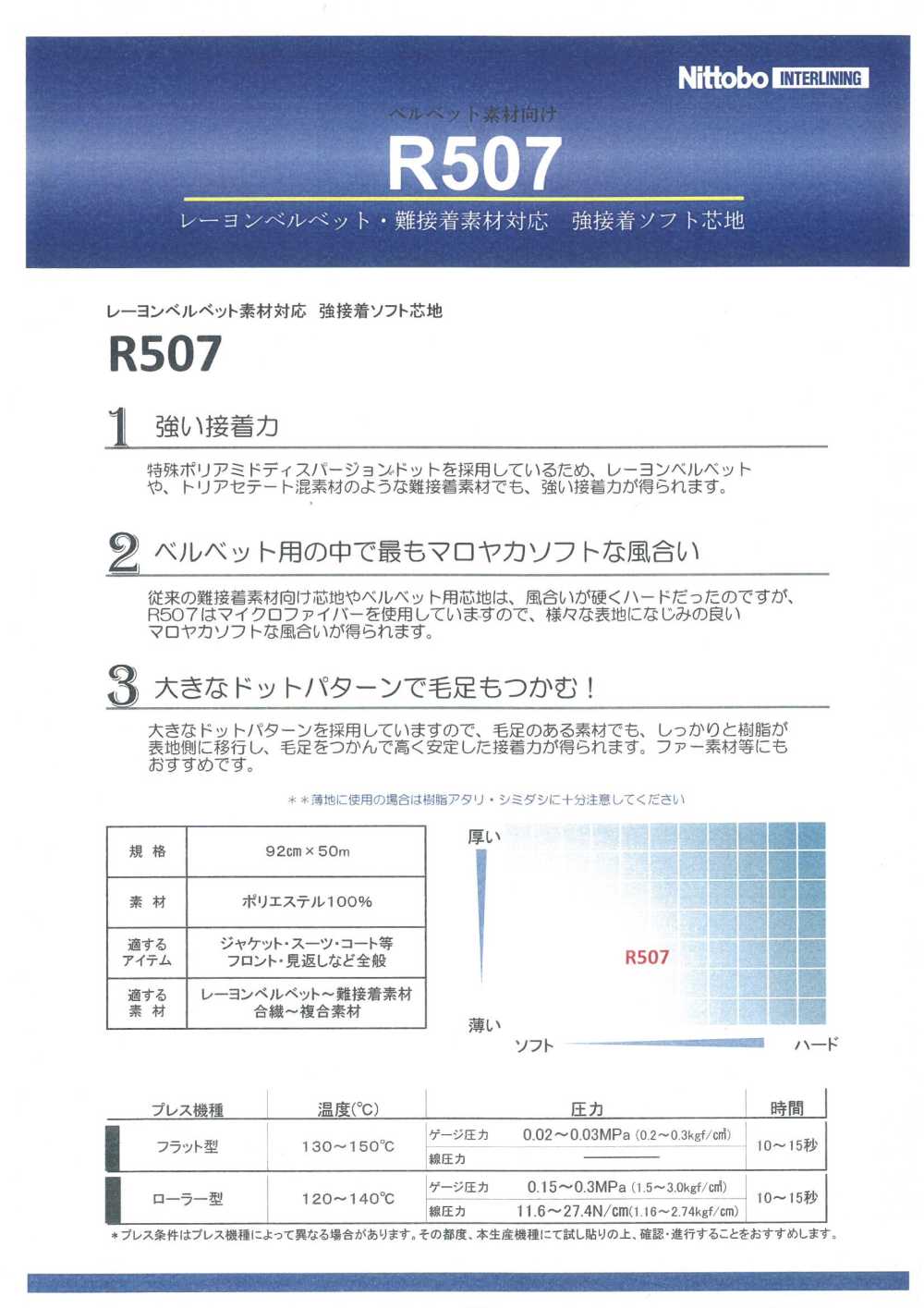
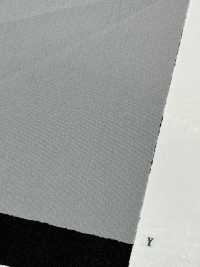
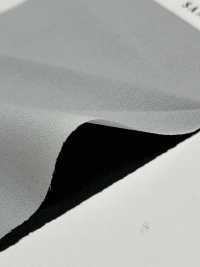
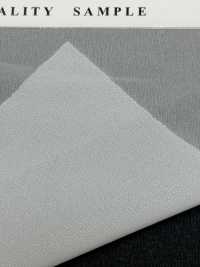
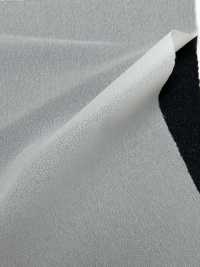
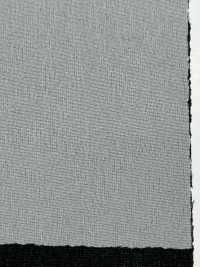
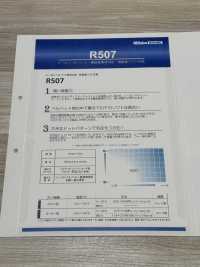
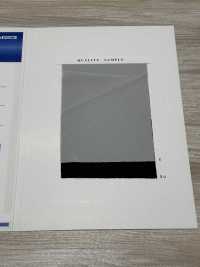
Suitable for rayon velvet, hard-to-adhere materials, synthetic fibers, and composite materials. Can be used on the front and inside of jackets, suits, coats, etc. By using special polyamide dispersion dots, strong adhesion is achieved even on difficult-to-adhere materials such as rayon velvet and triacetate blends. Compared to conventional interlinings for hard-to-adhere materials or velvet interlinings, this product uses microfiber, resulting in a soft, malleable texture that blends well with a variety of outer fabrics. The large dot pattern ensures that the resin transfers firmly to the outer fabric, even with wool materials, and grips the wool for a strong and stable adhesive force. Also recommended for fur materials.
Please select a extension key: ***Images below are different from real ones. Generally, that will be determined by a color you select.
Please check the following scheduled production completion date. The date may vary.
Depending on the order quantity, we may not be able to arrange the full quantity.
As a general rule, once the product is arranged, cancellation is not possible.
If a defect occurs, the delivery date may be delayed (can be canceled in this case).
Size
Color
Production Status
Completion Date
*Last update:
Stock List
Stock status is always changing. Please be sure to contact us for confirmed stock.
If the stock location is the manufacturer's warehouse, it will take longer than the normal delivery time.
If we find out that an item is not in stock after you have placed your order, we will cancel your order and process a refund.
In the case of out of stock, it may take several months to process and deliver.
Please note the above delivery date before placing an order.
Size
Color
Stock Place
Stock Quantity
*Last update:
Order Remarks
You can write a memo for the supplier, or yourself:
Option
You can select options below:
Order Sample Book
You can order the sample book here:
*Note: Sample Book Item to be added to your cart, so if you want to cancel it, please remove it from your cart. The information to be set in the remarks.
Suitable for rayon velvet, hard-to-adhere materials, synthetic fibers, and composite materials. Can be used on the front and inside of jackets, suits, coats, etc. By using special polyamide dispersion dots, strong adhesion is achieved even on difficult-to-adhere materials such as rayon velvet and triacetate blends. Compared to conventional interlinings for hard-to-adhere materials or velvet interlinings, this product uses microfiber, resulting in a soft, malleable texture that blends well with a variety of outer fabrics. The large dot pattern ensures that the resin transfers firmly to the outer fabric, even with wool materials, and grips the wool for a strong and stable adhesive force. Also recommended for fur materials.
"
Temperature (℃)
time (seconds)
cage pressure
line pressure
130~150
10~15
0.02~0.03MPa (0.2~0.3kgf/cm2)
120~140
10~15
0.15~0.3 MPa (1.5~3.0kgf/cm2)
11.6~27.4N/cm (1.16~2.74kgf/cm2)
Pressing conditions vary depending on the press model, so we recommend that you test paste each time.
Featured comments from the supplier for this item.
Okura Shoji Co., Ltd. 佐藤雄一
Supplier
Interlining for velvet and other hard-to-bond materials
Mar 10, 2026
This is a low-temperature adhesive type core that is ideal for long- textile wool as velvet. It is also recommended for fur materials.
{Key points for selecting interlining!} Velvet is usually difficult to adhere to, This often results in crushing of the pile. ⬇ We recommend the strong adhesive W-dot interlining for velvet. (Rayon velvet can often be restored with wool.) *We recommend an adhesion test.
Details:
Functionality
Thickness
Reasonability
Handling
2 people thought this was useful
Share This Item
FAQ
Regarding this item, there are the following FAQ:
What is the standard size of the invel core used by men?
33mm and 38mm.
What kind of trouble is glitter?
This is a phenomenon in which the resin can be seen glittering through the gaps in the surface material. Low-density materials and dark-colored thin fabrics tend to stand out, so using colored resin can solve this problem.
What kind of trouble is Shimidashi?
The adhesive resin oozes out into the outer textile, which spoils the texture. As a solution, choose a small shape adhesive resin.
What does the D (denier) in 20D and 30D mean?
Denier is a unit used for filament thread(continuous long fiber)* and refers to the weight per 9000m. 1g at 9000m is 1 denier, and 50g is 50 denier. The higher the denier, the thicker the thread and the thicker the fabric.
What kind of trouble is bubbling?
It looks like there are fine air bubbles between the outer textile and the interlining. The textile and the interlining are incompatible, so it is placed. If you choose a vertical or horizontal stretch interlining, it may be eliminated.
What kind of trouble is fading?
The unevenness of the resin grains clearly appears on the surface of the outer textile. The solution is to choose a smaller resin interlining.
What is the difference between single-dot and double-dot fusible interlining interfacing?
The difference is the coating method of the adhesive. A single dot is made by solidifying a fine powder adhesive and transferring it to the base fabric (base fabric) in dots. Since the adhesive is fine, it does not fading out even on thin materials, and it is difficult to get hits. Double Dot has a two-layer structure in which a gel-like adhesive is used as the base, and powdered adhesive is piled up on top of it. High adhesive strength can be obtained for a wide range of materials.
What is the difference between white, such as KW, fusible interlining, W, and Y, in the color of the fusible interfacing?
The color notation differs depending on the product number, but KW and W are fluorescent white, and Y and OW are off-white. Fluorescent white is more pure white.
Is it possible to ship the interlining in a bar roll?
Basically, if it is 5m or more, we will ship it by wrapping it around a stick.
How do I choose an interlining?
The interlining varies depending on the outer material, thickness, and location of use, so it is not possible to generalize. Please let us know the material of the outer material, the parts to be used (neckline, body, etc.) and the desired texture from the inquiry form.
Also, if you provide the outer material, we can conduct an adhesion test. Please request from interlining adhesion test . By performing an adhesion test, you can know in advance the adhesion strength and changes in appearance.
General Notes
Please confirm the following general notes regarding items at this site:
Zipper | Payment when you choose 'Fast Delivery'
If we cut a longer zipper to the length you want, the price will be changed.
Please make a payment after the price is fixed, in the case of Bank Transfer.
*** In the case of Credit Card, we will charge the extra after the price is fixed.
Cautions on images
Item images can not reflect the real colors. If you use this item for a bulk production, please check with the real one.
Payment for a purchase of Fabric Roll
In the case of a fabric roll purchase, the exact length will be changed. We will notify you of the length after it is determined.
*** In the case of Bank Transfer, please make the payment after it.
*** In the case of Credit Card, we will charge the extra amount after it.











 Category
 Maker
Maker Style
Style Material
 Collection
 Recently Accessed Items
 Popular Items























 Look More



It is also recommended for fur materials.
{Key points for selecting interlining!}
Velvet is usually difficult to adhere to,
This often results in crushing of the pile.
⬇
We recommend the strong adhesive W-dot interlining for velvet.
(Rayon velvet can often be restored with wool.)
*We recommend an adhesion test.